
A Step-by-Step Guide to Understanding the Characters and Story of Grand Theft Auto V
A practical, ordered walkthrough for readers who want to grasp Grand Theft Auto V's three-protagonist structure and story, using only verifiable, general knowledge of the game and clearly flagging anything that requires a check against official sources.
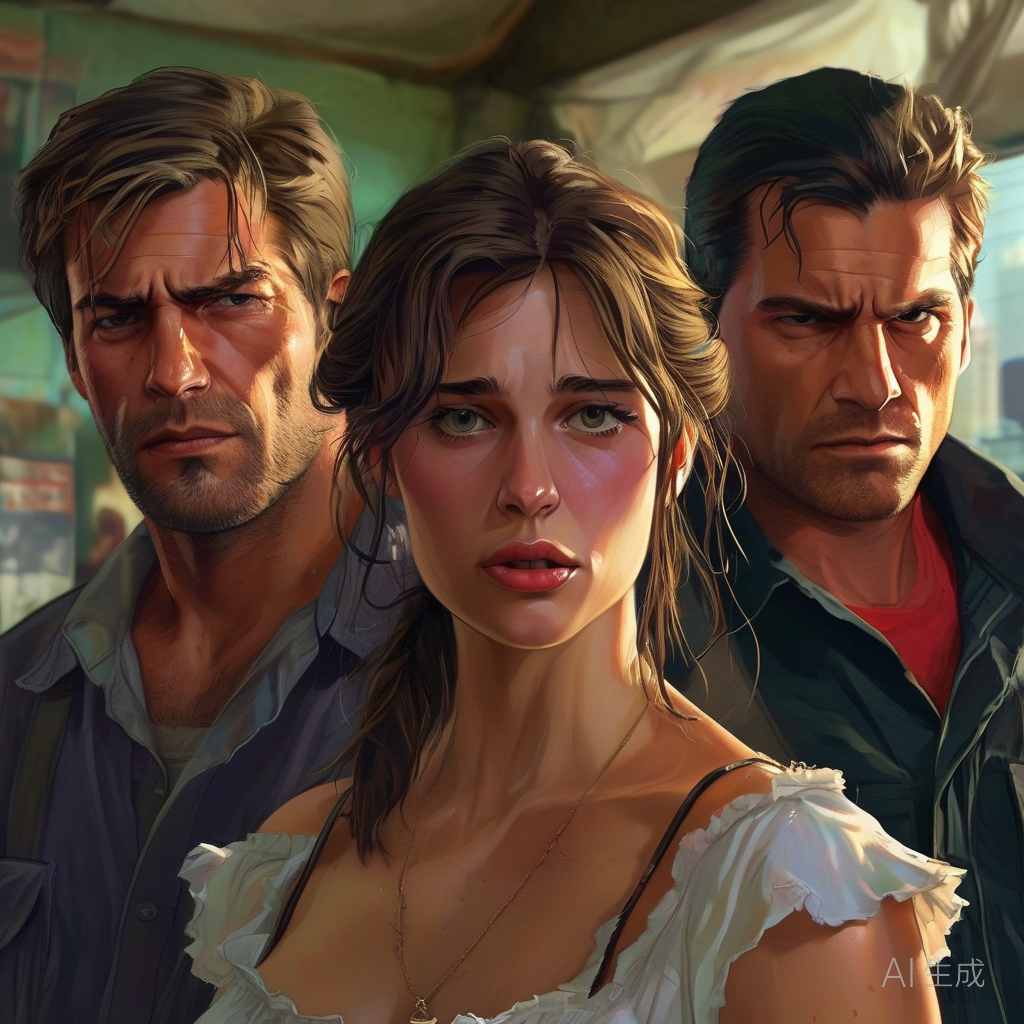
Before You Start: What You Need
This guide is about reading and understanding the characters and story of Grand Theft Auto V — not about downloading or installing it. To follow along you only need:
- Access to the game itself, or to officially published material about it (Rockstar's own site and trailers are the safest starting points).
- Patience for a story told across three playable characters rather than one.
- A willingness to check details against official sources, because release dates, edition contents, and platform availability change over time and should not be taken from memory.
Keep one rule in mind throughout: treat anything you cannot verify — dates, prices, edition bonuses, story leaks — as unconfirmed. Do not repeat it as fact.
Step 1: Learn the Three Protagonists First
Grand Theft Auto V is built around three switchable protagonists. Start by learning who they are before worrying about plot order.
- Note each character's name and their rough role (for example, a retired professional robber, a younger hustler, and a chaotic career criminal).
- Learn how the game lets you switch between them in the open world — this switching is a core design feature, not a side option.
- Pay attention to how each character's personal life is introduced separately.
Observable outcome: you can explain, in your own words, that the story is a three-hander rather than a single hero's journey.
Caution: character details, ages, and backstories are often misreported in fan summaries. Where precision matters, verify against in-game dialogue or official material.
Step 2: Follow the Story in Mission Order
Once you know who the protagonists are, follow the narrative as the game presents it.
- Read the opening missions carefully — they establish tone and introduce the heist theme.
- Track how the missions move between characters; note when a mission forces a particular protagonist.
- Keep a simple list of major story beats rather than trying to memorise everything.
- Mark moments where the three characters' paths cross or converge.
Observable outcome: you can describe the main arc — how the three come to work together and what drives their conflict — without inventing scenes that do not exist.
Caution: do not mix plot points from other Grand Theft Auto games into this account. Vice City, San Andreas, and Grand Theft Auto IV are separate stories in separate settings.
Step 3: Understand the Setting and Its Satire
Grand Theft Auto V is set in a fictional state with a fictional version of Los Angeles. The satire of American culture, media, and consumerism is part of the story, not decoration.
- Note which elements are exaggerated for comedy.
- Separate satire from anything that reads like a real-world claim.
- Avoid treating the game's invented brands, companies, or institutions as real organisations.
Observable outcome: you can explain that the world is fictional and that its jokes are commentary, not evidence about real people or places.
Step 4: Place It in the Wider Series Timeline
The Grand Theft Auto series spans several settings and eras: Vice City, San Andreas, Liberty City (Grand Theft Auto IV), and more. Getting the connections right requires care.
- List the games you are actually trying to compare — for example Grand Theft Auto IV, Grand Theft Auto V, and the Vice City titles.
- For each, note its setting and its stated era from official material.
- Resist the urge to build a single unified timeline unless a reliable source supports it; many fan timelines are speculative.
Observable outcome: you can say which games share a setting and which do not, and you can flag where you are unsure.
Caution: claims about how older games connect to Grand Theft Auto VI are, at the time of writing, unsupported speculation unless Rockstar has said otherwise. Do not present them as fact.
Step 5: Treat Grand Theft Auto VI Claims Carefully
Grand Theft Auto VI attracts a huge amount of rumour. When you encounter a claim about its story or characters:
- Check whether it comes from Rockstar Games or an official platform storefront.
- If the source is a leak, a video thumbnail, or an unverified forum post, label it as unconfirmed.
- Never quote invented release dates, editions, or pre-order details.
Observable outcome: you can separate officially announced information from speculation, and you know to verify before repeating anything.
Step 6: Build Your Own Story Notes
Finish by consolidating what you have learned into a short, honest summary.
- One sentence per protagonist describing their role.
- Three to five bullet points on the main plot.
- A separate "unconfirmed" section for anything you could not verify.
Observable outcome: a one-page summary you could show someone else without misleading them.
Common Mistakes to Avoid
- Assuming Grand Theft Auto V's story connects directly to Vice City or Grand Theft Auto IV without a source.
- Repeating leak-based Grand Theft Auto VI story details as fact.
- Confusing different editions or platforms when discussing what the game contains.
- Treating the game's fictional businesses and brands as real.
A Note on Sources
This guide deliberately avoids specific release dates, edition contents, and story details that would require verification. For anything precise, consult Rockstar Games' official website and the official store listings for your platform.